Michael Fraser
Publisher/Contributor
Pints, Forks & Friends Field Notes
New Orleans does not ease you in. You step off the plane and the city makes its case immediately — the heat, the smell of something frying somewhere nearby, the sound of a brass band bleeding through the walls of a bar you haven't found yet. It is the kind of place that demands your full attention and punishes half-measures.
This trip had a specific purpose. A chef friend of mine, Johnny Schulze, is a Louisiana native who makes it a point to return to New Orleans regularly — not for nostalgia, but to stay current. He studies the city the way serious people study anything they love: with discipline and genuine curiosity. When Johnny offered to run point on a culinary field trip anchored to the Emeril Lagasse Foundation's Boudin, Bourbon & Beer event, that was not an invitation to pass up. Seventy-plus chefs, one night, one tent city outside the Superdome. We went.
Where We Stayed: Le Pavillon Hotel
Since the Boudin, Bourbon & Beer event was staged right outside the Superdome, we landed at Le Pavillon Hotel in the Central Business District. The building opened in 1907 as the New Hotel Denechaud, became Le Pavillon in the 1970s, and carries its age well. The location was practical for our schedule — walkable to the French Quarter, close enough to the event that logistics were not a problem.
It is not a boutique hotel. It is a New Orleans institution, which is a different thing entirely.
The Main Event: Boudin, Bourbon & Beer
The Emeril Lagasse Foundation runs BBB as a fundraiser for culinary education programs. In practice, it is an outdoor food and drink festival where the country's better chefs set up tents and cook for a crowd that knows what it is looking at. Tickets are not cheap. They are worth it.
Early November in New Orleans is supposed to be mild. It was not. The temperature dropped unseasonably and rain moved in the evening of the event, which did not stop anyone from being there and did not stop the chefs from cooking. We made our way through the tents in sequence, sampling what we could.
Some of what stood out: Mississippi BBQ done with patience and smoke. Oyster and Nduja Boudin that threaded the line between sharp and rich without losing either. Bourbon Drunken Duck Boudin, which is exactly what it sounds like and better than you expect. Bourbon milkshakes that solved a problem nobody knew they had.
We were inside the Abita Brewing tent when the rain came in earnest, which turned out to be ideal positioning. Abita is a Louisiana institution — the Amber and Purple Haze are the standards, but the Big Easy IPA was the better pour that evening. Cold weather, warm tent, good beer. There are worse ways to wait out a storm.
The full BBB menu for reference: EATER New Orleans coverage
Abita Brewing and Louisiana Craft Beer
Abita is worth understanding before you go. The brewery operates out of Abita Springs, about 30 miles north of New Orleans across Lake Pontchartrain, and has been making beer in Louisiana since 1986 — which makes it one of the longer-running craft operations in the South. The Purple Haze, a raspberry wheat, became a regional staple. The Amber is a session lager that earns its place. The Turbodog, a dark brown ale, is what you drink when the weather cooperates with the season.
If you are a craft beer traveler in New Orleans, Abita is not an obscure find — it is on every tap list worth looking at. That is not a complaint. When a regional brewery stays relevant for four decades, you pay attention to what they are doing.
The French Quarter: After the Rain
The weather pushed us out of BBB earlier than planned, which meant the French Quarter got the rest of the night. Bourbon Street is what it is — loud, crowded, and honest about what it is selling. Royal Street is where the city shows a different register: gallery after gallery of serious art, ironwork balconies, quieter bars. Both are worth your time if you walk them in sequence.
A few things worth noting from that night and the days around it:
- The Spotted Cat Music Club on Frenchmen Street requires timing. Get there early or you are standing outside listening through the wall. That is still pretty good, but the room is better. Visit!
- Antoine's is one of the oldest restaurants in the country — open since 1840 — and the lunch service runs specials that make it accessible. After the meal, take the tour of the private dining rooms. They lost an irreplaceable wine collection to Hurricane Katrina; the story is worth hearing from someone who was there.
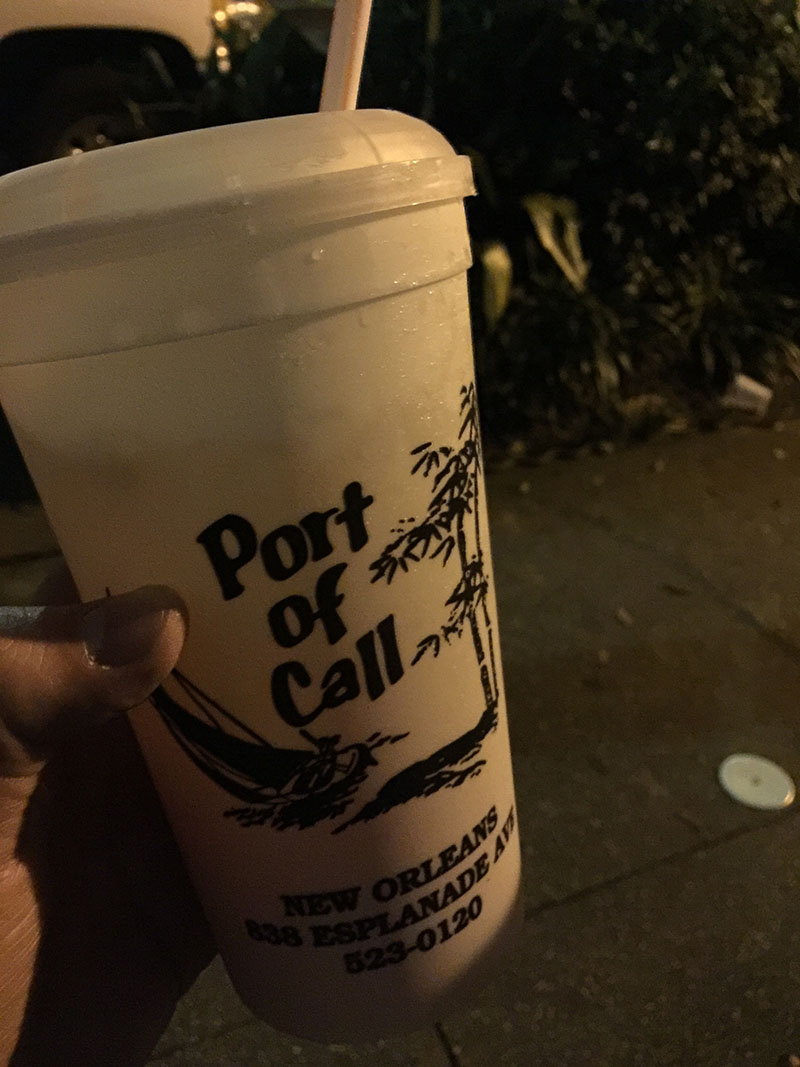
- Port of Call on Esplanade Avenue makes a drink called the Monsoon, which is their version of the hurricane and considerably stronger. It is a long walk from Bourbon Street. Make it anyway. Go!
- Cafe Degas on Esplanade is Chef Johnny's personal favorite in the city. It is a French bistro with a live oak tree growing up through the dining room and out the roof. If that does not convince you, the food will. Visit their website.
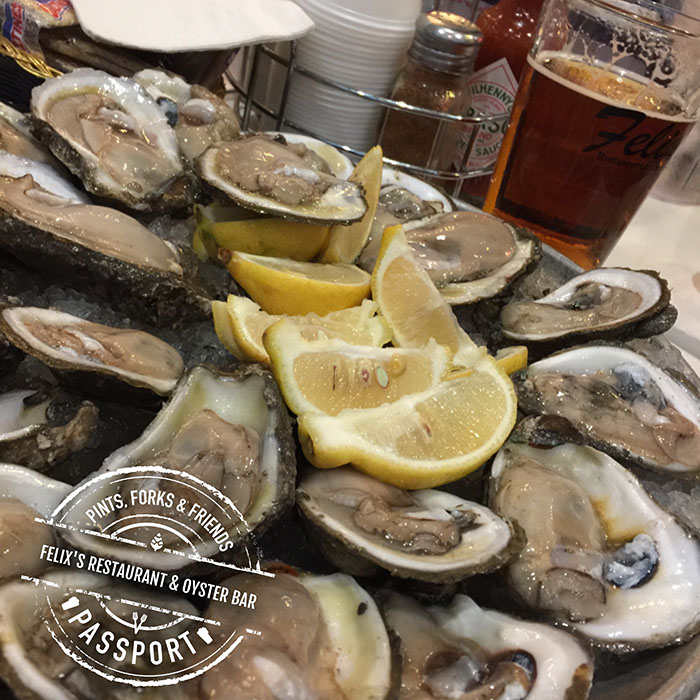
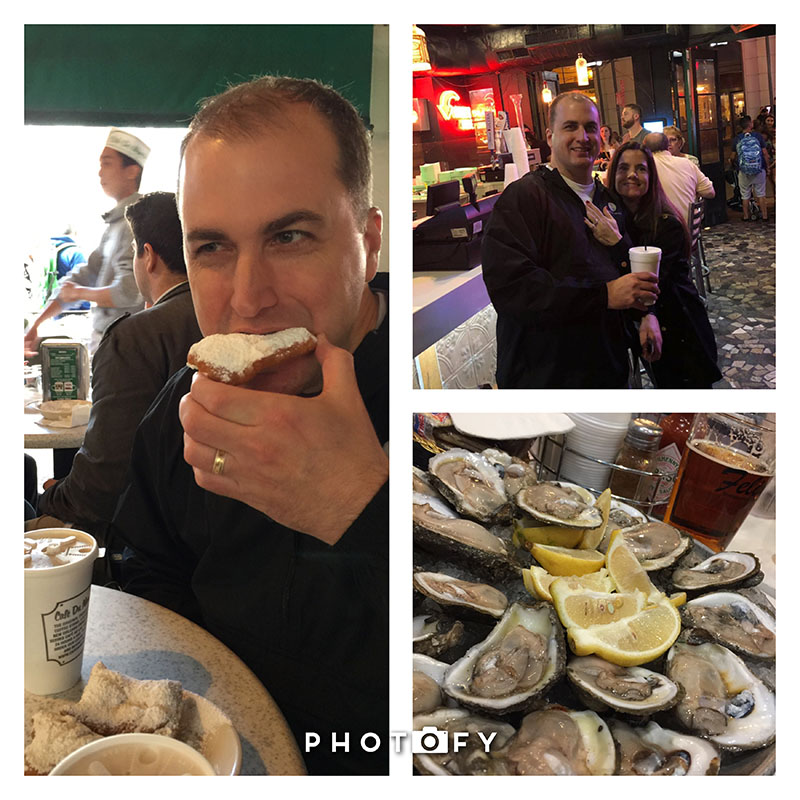
- Felix's Restaurant and Oyster Bar in the Quarter is the starting point for oysters. Raw, chargrilled, however you want them. Start there. Visit website.
Bring the Kitchen Home
If this trip lights something up and you want to cook Cajun and Creole at home, the cookbook that makes the most sense on your shelf is Emeril Lagasse's first: Emeril's New New Orleans Cooking. It is not a coffee table book. It is a working cookbook that covers the full range — gumbo, étouffée, red beans and rice, remoulade — while explaining how and why the techniques work. Given that the entire reason we made this trip was Emeril's own event, putting his book to use at home feels like the right kind of follow-through.
What You Need to Know Before You Go
What is the Boudin, Bourbon & Beer event in New Orleans?
BBB is an annual outdoor food and drink festival run by the Emeril Lagasse Foundation to benefit culinary education programs. It features dozens of acclaimed chefs cooking original dishes alongside spirits and beer pairings. It takes place in the fall, typically near the Superdome.
What craft beer is New Orleans known for?
Abita Brewing is the standard-bearer — the Amber, Purple Haze, and Turbodog are the anchors of the lineup. The craft beer scene in New Orleans has grown considerably in recent years, with breweries like Nola Brewing and Wayward Owl adding depth to the local tap list.
What are the best restaurants in the New Orleans French Quarter?
Felix's for oysters. Antoine's for history and the lunch deal. Galatoire's for old-school Creole. Brennan's for breakfast if you can get a reservation. Port of Call if you want a burger and a strong drink in the same room.
Is New Orleans a good destination for craft beer travelers?
Yes, with the caveat that the cocktail culture will compete for your attention. The city has a serious craft beer scene if you look for it, and the food pairing opportunities — Cajun and Creole cuisine against hoppy or malt-forward ales — are genuinely interesting.
What is the Monsoon drink at Port of Call?
It is the house version of the hurricane: rum-based, fruit-forward, and considerably stronger than it reads. Port of Call is best known for its burgers, but the Monsoon is the reason people make the walk.
YOUR TOWN HAS A LEADERBOARD. YOU'RE NOT ON IT.
Every 30 days, the Pub Ring picks three bars and kitchens actually worth your time. Get stamped, post your visits, and climb the board. The top three win, and the standings land in your inbox. Join Free.

More Notes...
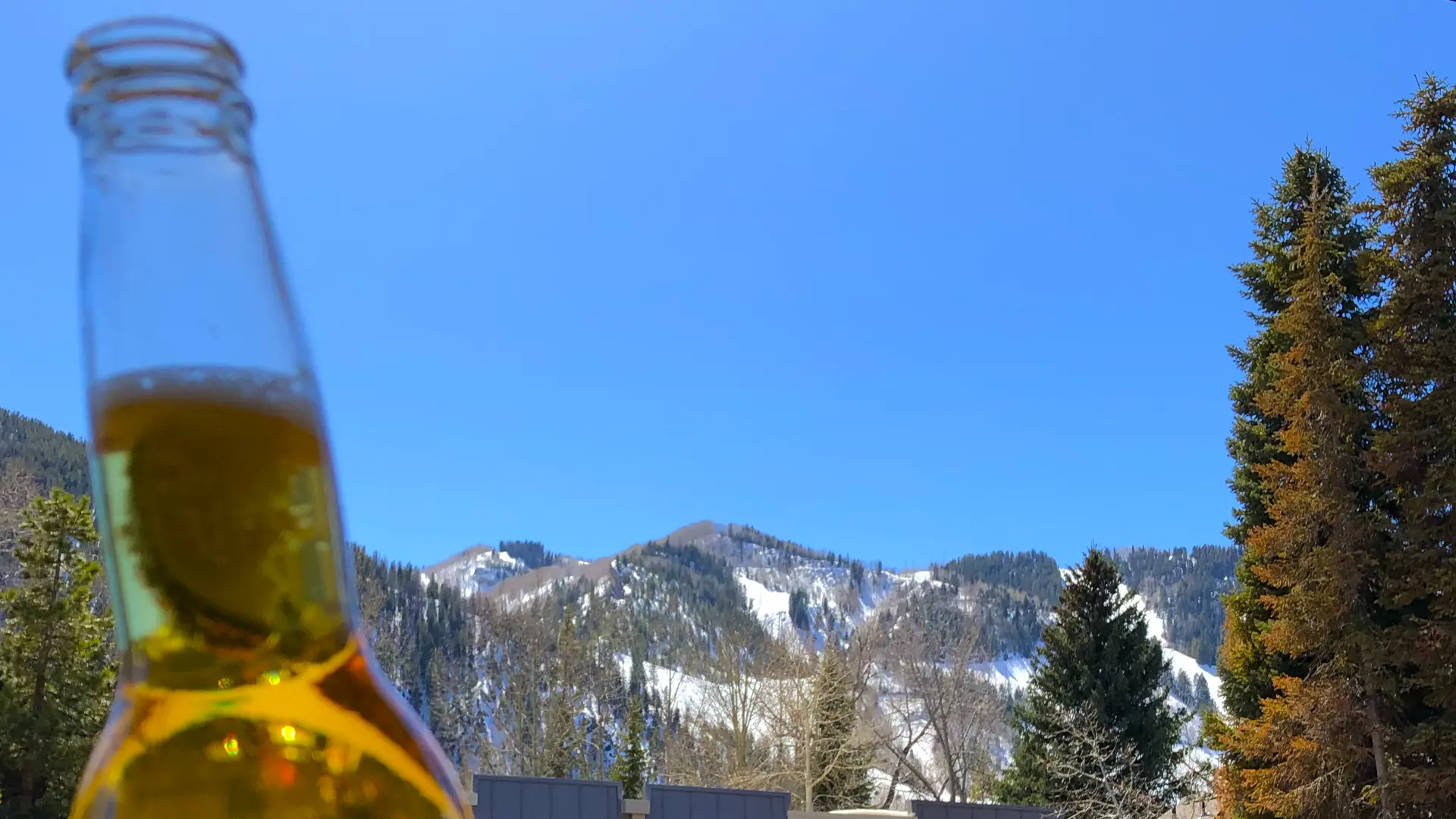
The Road to Aspen: Colorado Field Notes
Aspen, Colorado Michael Fraser Publisher/Contributor...
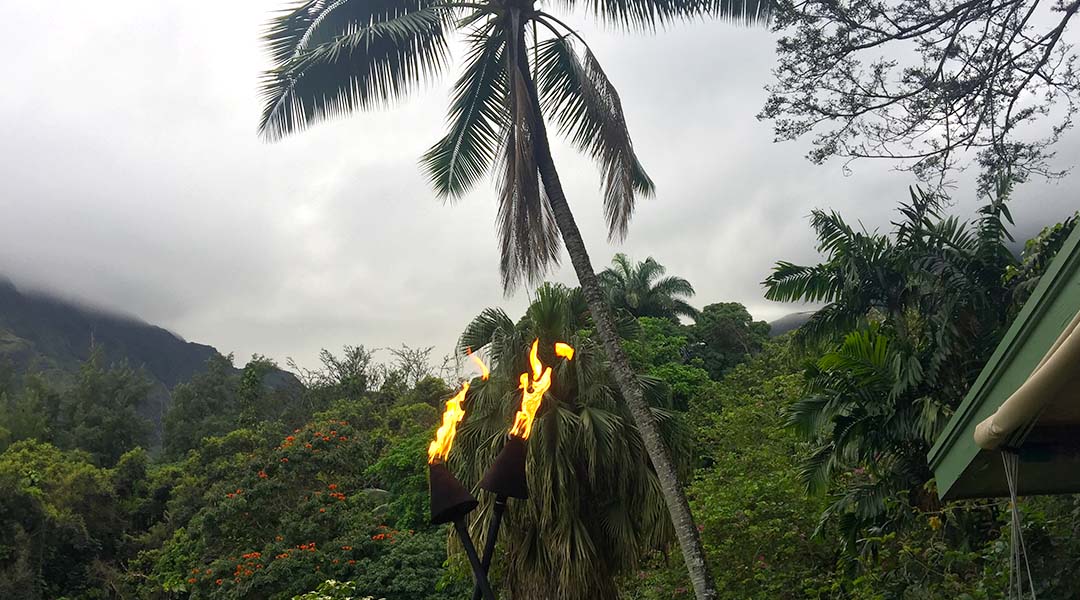
Haleiwa Joe’s Field Notes
Haleiwa Joe's, Kaneohe HI Michael Fraser...

Bender’s Tavern Field Notes
Bender's Tavern - Canton, Ohio Michael Fraser...