
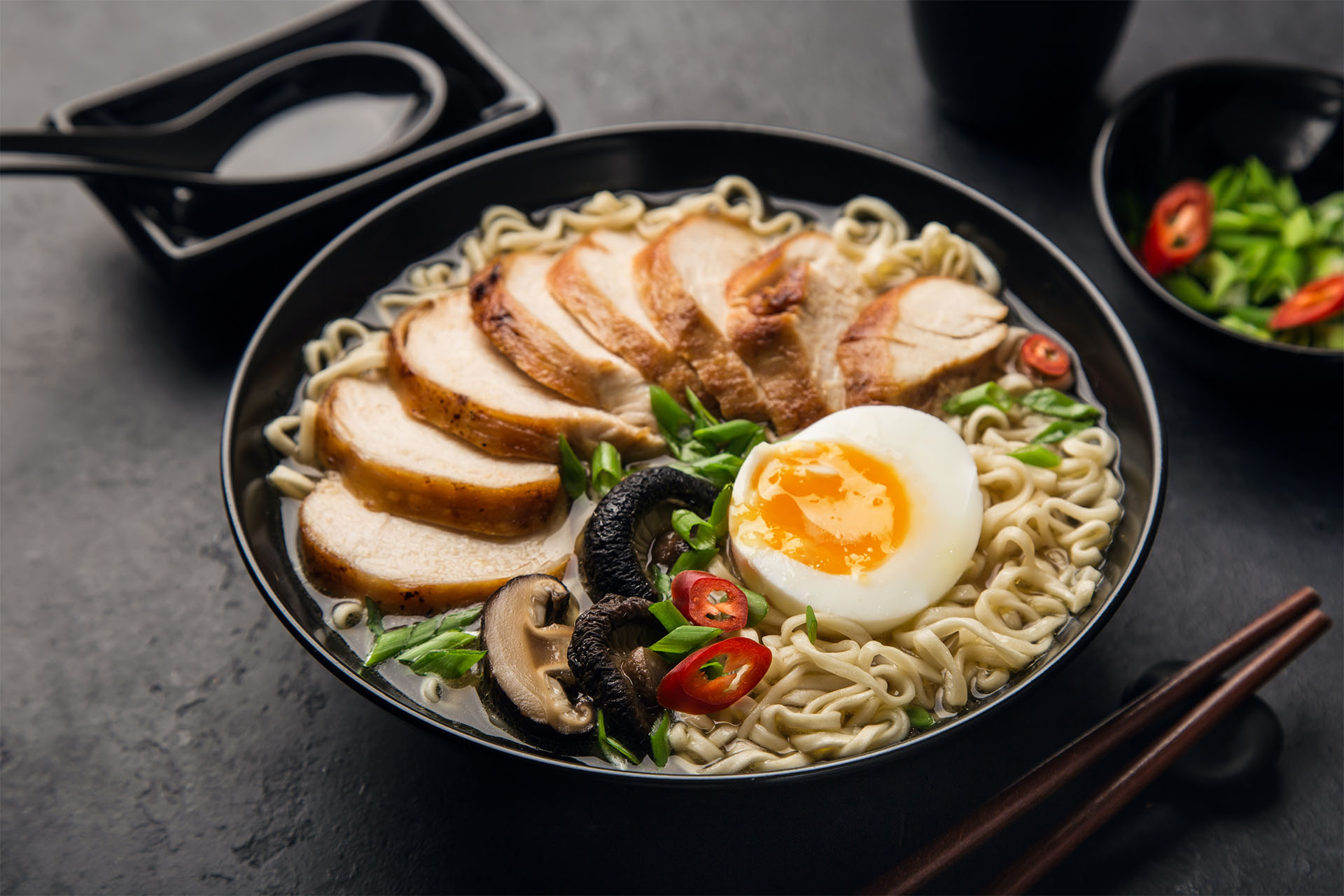
Somewhere between a gas station in Osaka and a Tuesday night in my kitchen, I made peace with the fact that ramen is not a guilty pleasure. It is a legitimate meal when you build it right, and most people never build it right.
The version most of us grew up with was a styrofoam cup and a mystery flavor packet that tasted vaguely of salt and ambition. That was not ramen. That was survival food dressed up in Japanese clothing. The real thing, the kind a cook will spend three days on just for the broth, is in a completely different conversation.
You do not need three days. You do not need culinary school. But you do need to stop reaching for that sodium brick and start thinking about what actually goes into a bowl worth finishing.
Start Where It Matters: The Broth
The broth is not background noise. It is the whole argument. Every shortcut you take here shows up in the final bowl, and no amount of toppings will cover it.
The easiest honest broth you can make at home starts with onion, garlic, fresh ginger, and a good stock. Vegetable works. Chicken works better if you are not going vegan. Simmer them together low and slow for thirty to forty minutes, pull out the solids, and you have a base with actual flavor in it.
If you want to add depth without adding an hour to your night, miso paste is the move. A tablespoon of white or red miso whisked into your hot broth right before serving adds a fermented, complex quality that no packet on earth can replicate. It also brings probiotics along for the ride, which your gut will appreciate more than it will ever admit.
The other thing most people skip: a small splash of soy sauce and a drizzle of toasted sesame oil just before serving. You will taste the difference. It is the culinary equivalent of a good sound check before the show.
The Noodle That Changes the Conversation
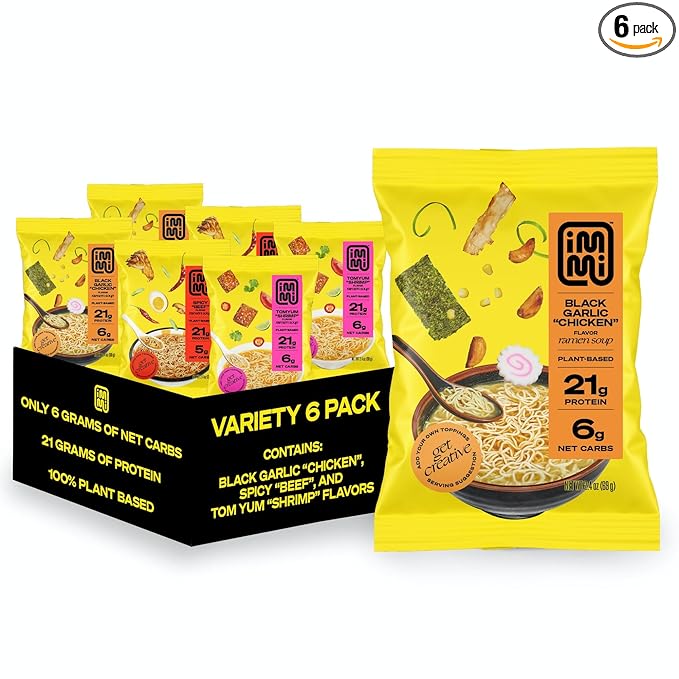
immi Ramen is not a health food compromise. Spicy Beef, Garlic Chicken, Tom Yum Shrimp, built on pumpkin seed and fava bean protein with a new noodle recipe that earns its place in a serious bowl. Keto-friendly. 100% vegan. No junk hiding in the fine print.
If you are going to build a bowl worth eating, start with noodles worth using.
Start Where It Matters: The Broth
The broth is not background noise. It is the whole argument. Every shortcut you take here shows up in the final bowl, and no amount of toppings will cover it.
The easiest honest broth you can make at home starts with onion, garlic, fresh ginger, and a good stock. Vegetable works. Chicken works better if you are not going vegan. Simmer them together low and slow for thirty to forty minutes, pull out the solids, and you have a base with actual flavor in it.
If you want to add depth without adding an hour to your night, miso paste is the move. A tablespoon of white or red miso whisked into your hot broth right before serving adds a fermented, complex quality that no packet on earth can replicate. It also brings probiotics along for the ride, which your gut will appreciate more than it will ever admit.
The other thing most people skip: a small splash of soy sauce and a drizzle of toasted sesame oil just before serving. You will taste the difference. It is the culinary equivalent of a good sound check before the show.
This post may contain affiliate links which means Pints, Forks & Friends may receive commission for purchases made through links. We only recommend products that we personally believe in and use. Learn more on our Privacy Policy page.
The Noodles: Pick Them With Some Intention
Traditional wheat ramen noodles are fine. They are genuinely good, especially when you cook them correctly, meaning you pull them out of the water while they still have a little resistance to them. Nobody wants a bowl of soft, waterlogged noodles sitting in a puddle.
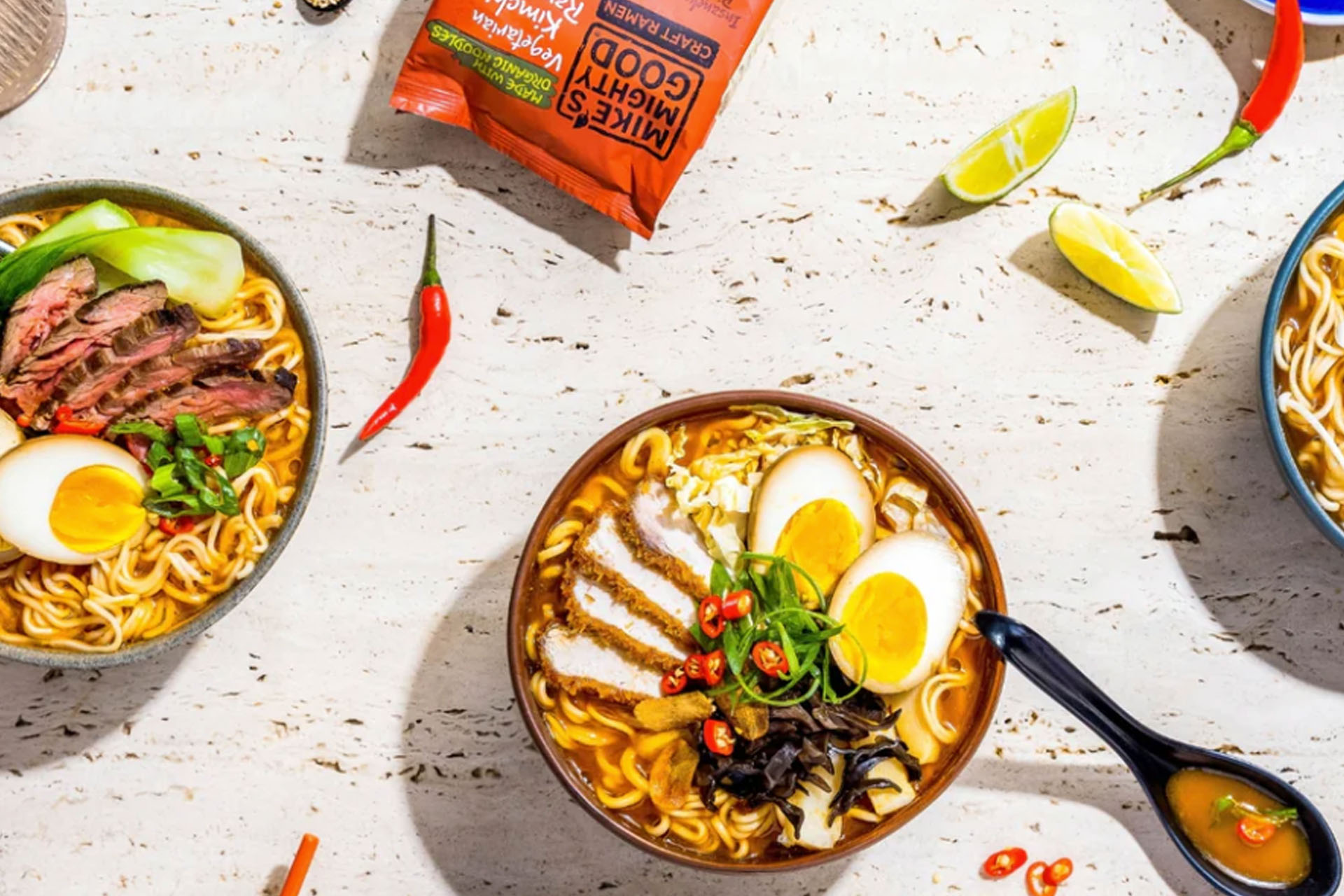
But there are worthwhile alternatives worth knowing about. Brown rice ramen adds whole grain without sacrificing texture. And immi ramen, made with pumpkin seed and fava bean protein, is genuinely low-carb and high-fiber without tasting like a compromise. It is the kind of product that makes you wonder why anyone settles for the standard brick. Keto-friendly, 100% plant-based, and it handles a rich broth without falling apart.
Vegetables: Do Not Treat Them as an Afterthought
Bok choy is the go-to, and for good reason. It holds up in hot broth, brings vitamins A, C, and K to the table, and has just enough bitterness to balance a rich umami base. Toss it in during the last two minutes of cooking. It should be wilted but not dead.
Beyond bok choy, think about what adds contrast. Shredded carrots for sweetness and color. Sliced mushrooms, shiitake if you can find them, for that second layer of umami. Corn if you want something that eats like comfort. Bean sprouts if you want crunch without cooking anything.
The goal is a bowl that looks like it means business when you set it on the table.
Protein: Earn Your Toppings
Soft-boiled eggs are non-negotiable for a bowl at this level. The process is simple: lower your eggs gently into already-boiling water, set a timer for six to seven minutes, and move them immediately to an ice bath when the timer goes off. The cold stops the carry-over cooking and gives you that jammy, orange yolk that runs into the broth and changes the whole thing.
For meat, thinly sliced chicken breast cooked in sesame oil with crispy garlic is the version we keep coming back to. The crispy garlic alone, golden and nutty from the hot oil, is worth the extra four minutes.
Tofu works if you press it dry first and let it actually brown in the pan. Shrimp works if you do not overcook it. The rule across all proteins: get some color on whatever you are adding. Gray and pale has no place in a serious ramen bowl.
Heat and Crunch: The Finishing Moves
Chili oil over the top of a finished bowl is one of the best things in food, full stop. A light drizzle adds depth and warmth without turning the bowl into a punishment. If you want more direct heat, thin-sliced fresh chili or a few drops of your favorite hot sauce gets the job done.
For texture, sesame seeds are the standard move. Toasted panko brings a crunch that holds longer than you would expect. Pumpkin seeds and hemp hearts add healthy fats and something to chew on between noodle pulls.
Green onion goes on last, right before you sit down. It is not decoration. It is flavor.
The PFF House Ramen: A Real Recipe
This is the bowl we actually make. Simple enough for a weeknight, good enough that you will want to make it again on the weekend.
Prep time: 15 minutes Cook time: 15 minutes Serves: 2
What You Need
- 1 Mike's Mighty Good Fried Garlic Chicken Ramen Pillow Pack
- 1 boneless chicken breast, skin on if you can find it
- 1/4 cup napa or Chinese cabbage, roughly chopped
- 1 clove garlic, sliced thin
- 1 tablespoon sesame oil
- 2 tablespoons green onion, chopped
- 1 egg
How to Build It
The egg first. Cover it with cold water by an inch, bring to a boil, simmer seven minutes. Ice bath immediately. Peel and slice when you are ready to plate.
The garlic. Heat the sesame oil in a pan over medium until it shimmers. Add the garlic slices. Watch them. They go from raw to golden to burnt in about ninety seconds and you want them right in the middle of that range. Pull them when they are golden and fragrant. Set aside.
The chicken. Same pan, same oil. Dry your chicken breast with paper towels before it hits the pan. Skin side down, six to eight minutes, until golden. Flip, another six to eight minutes. Rest before you slice it. Thin slices across the grain.
The noodles. Bring 1 and 3/4 cups of water to a boil. Add the ramen noodles, cook two minutes. Add the cabbage, cook one to two more minutes until just tender.
The finish. Take the pan off heat. Stir in the flavor packet and oil. Arrange the sliced chicken, crispy garlic, egg halves, and green onion over the top. That is a bowl.
10 Directions Worth Exploring
Once you understand the basic structure, a healthy ramen bowl is really just a template. Here are ten variations worth trying on your own terms.
- Coconut Curry Ramen
- Garlic Chili Oil Ramen
- Vegan Tofu Ramen
- Comforting Chicken Ramen Noodle Bowl
- Breakfast Ramen with a fried egg and bacon
- Loaded Veggie Ramen
- Cheesy Egg Drop Ramen
- Creamy Spicy Miso Ramen
- Cold Noodle Ramen Bowl
- Cheesy Kimchi Ramen
Honest Answers to the Questions People Actually Ask
What makes a ramen bowl healthy? Whole grain or alternative noodles, low-sodium homemade broth, real vegetables, and lean protein. You control the sodium when you ditch the packet.
Can instant ramen be salvaged? Yes. Throw out the flavor packet. Use your own broth. Add fresh vegetables and a protein. Finish with chili oil and a soft-boiled egg. You just made a real meal.
What is the single best upgrade? The egg. Master the soft-boil and you will put it on everything.
What about the hot sauce debate? Add it at the end. Always add it at the end. The heat dissipates when you cook it into the broth and you lose the bright punch of it.
Just Keep Slurpin'
A healthy ramen bowl at home is not a compromise. It is a better version of something you already like, made with ingredients that do not require reading the back of a packet with a magnifying glass.
Start with real broth. Do not skip the miso. Cook your egg for exactly seven minutes. Get some color on your protein. Finish with chili oil and sesame seeds.
That is the bowl. Make it tonight.
STOP SCROLLING FOR WHERE TO GO. WE'LL TELL YOU.
The Pub Ring gets you into the bars and kitchens actually worth your time, plus a stamp card that turns showing up into something you get rewarded for. Join Free.

The Latest...
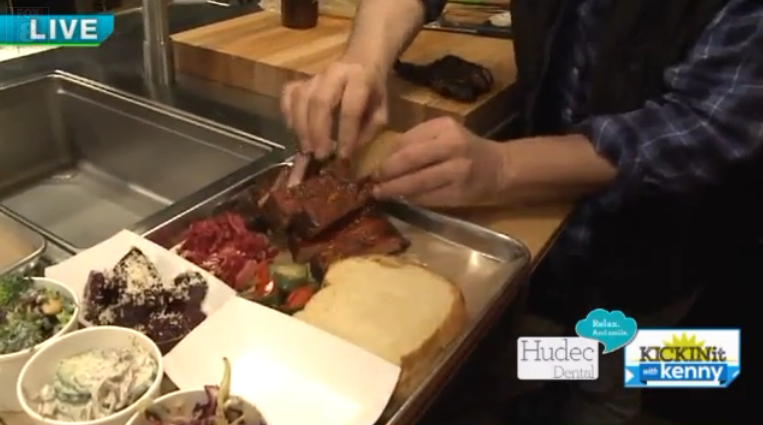
What Is Cleveland Style BBQ? Michael Symon’s Mabel’s BBQ, From a Regular
Cleveland style BBQ is a regional barbecue style created...

Great Lakes Christmas Ale 2026: The First Pour, a Guardians Win, and One Long Day on Market Avenue
Cleveland keeps its own calendar. The leaves are still...

Ohio Brought Lager to an IPA Fight: The 2026 GABF Winners
The Great American Beer Festival moved outdoors this year,...