
Meat Church BBQ Rubs
There are two kinds of people standing in front of a smoker. The ones who grab whatever seasoning is on sale at the grocery store and call it a day, and the ones who treat the rub like an argument worth having. Matt Pittman is firmly in the second camp, and the brand he built out of a last-place televised competition has quietly become one of the most trusted names in backyard BBQ.
That brand is Meat Church. And if you haven't heard of it yet, pull up a chair.
Who Is Matt Pittman and Where Did This All Start
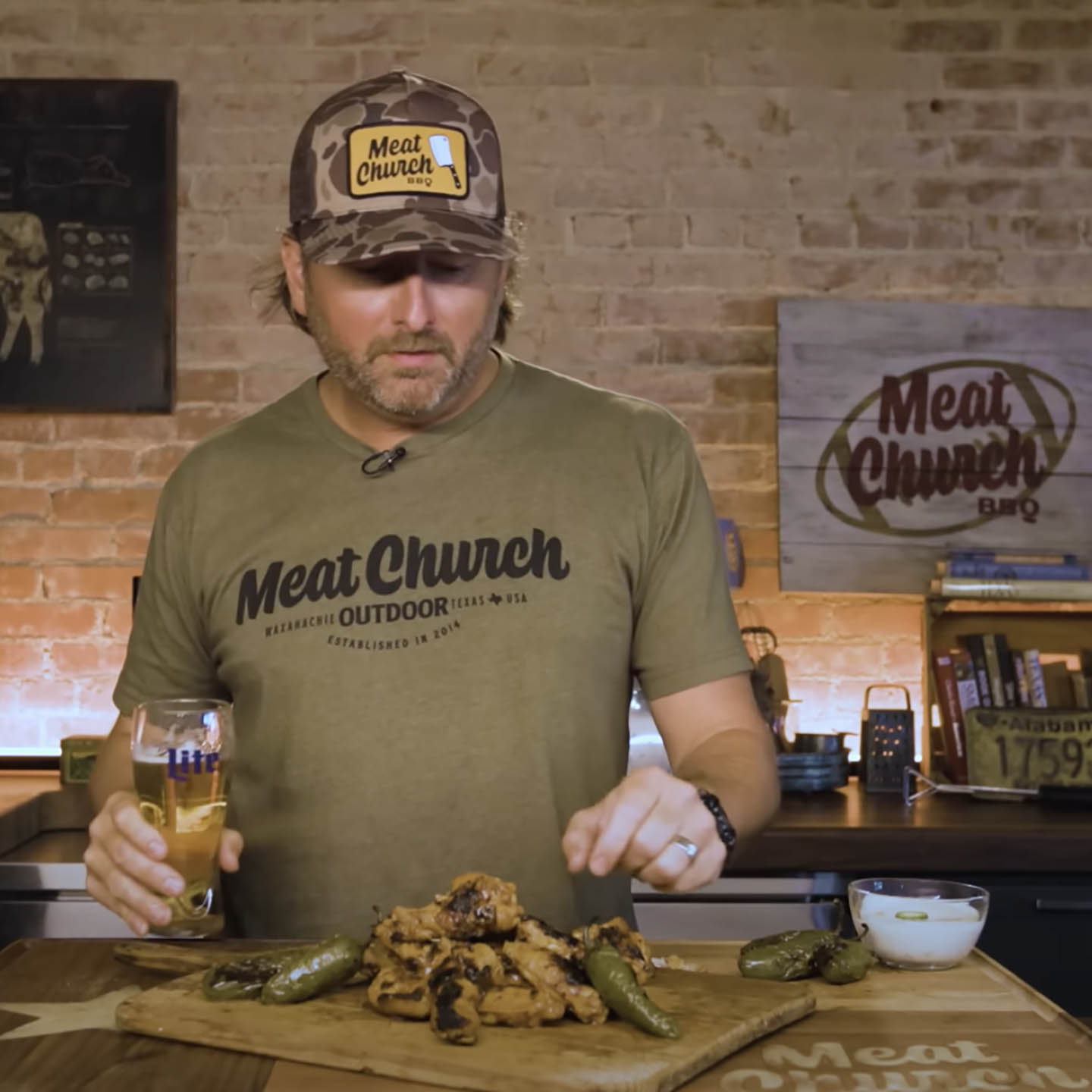
Pittman grew up cooking with his grandmother in Alabama, logging the kind of kitchen time that doesn't come from a culinary school — it comes from someone who cares about feeding people. He spent more than twenty years in technology and financial services before a road trip to Central Texas changed everything.
One bite of salt-and-pepper brisket and that was it. The man was done with corporate life, at least in spirit.
He didn't quit the day job right away. He started competing in BBQ competitions on the side, chasing smoke rings on weekends while managing IT accounts during the week. Eventually that path led him to BBQ Pitmasters, the television competition, where he and his brother Josh entered the "Lone Star Smoke War" episode in 2014 and finished dead last.
Here's where the story gets interesting.
While the episode aired, Pittman already had a website running. He'd spent the lead-up to the show developing his first rub — a beef seasoning he called Holy Cow — and packaged it for sale. Orders started coming in the moment the episode went live, loss and all. Four years later, Meat Church had crossed a million dollars in total sales. Pittman retired from corporate life at 43, opened a retail store in downtown Waxahachie, Texas, and never looked back.
The brand name itself says everything you need to know about the philosophy. BBQ as a communal act. The smoker as an altar. The congregation gathers when the meat hits the grill. It sounds like a bit, but it isn't — Pittman talks about the brand in those terms because he genuinely means it. Food is how people connect, and Meat Church is built around that belief.
That tracks here at Pints, Forks & Friends too.
The Rubs, What They Do, and When to Reach for Each One
Meat Church's lineup has expanded considerably since those first two bottles, but the core products are still the ones that built the congregation. Here's the honest breakdown:
Holy Cow is the flagship beef rub. Texas-style at its core — coarse salt and black pepper as the foundation, but with added depth that separates it from the minimalist brisket-only approach. Use it on brisket, ribeyes, burgers, beef ribs. If you cook beef on any regular basis, this bottle lives permanently on your shelf.
-> Meat Church Holy Cow BBQ Rub on Amazon
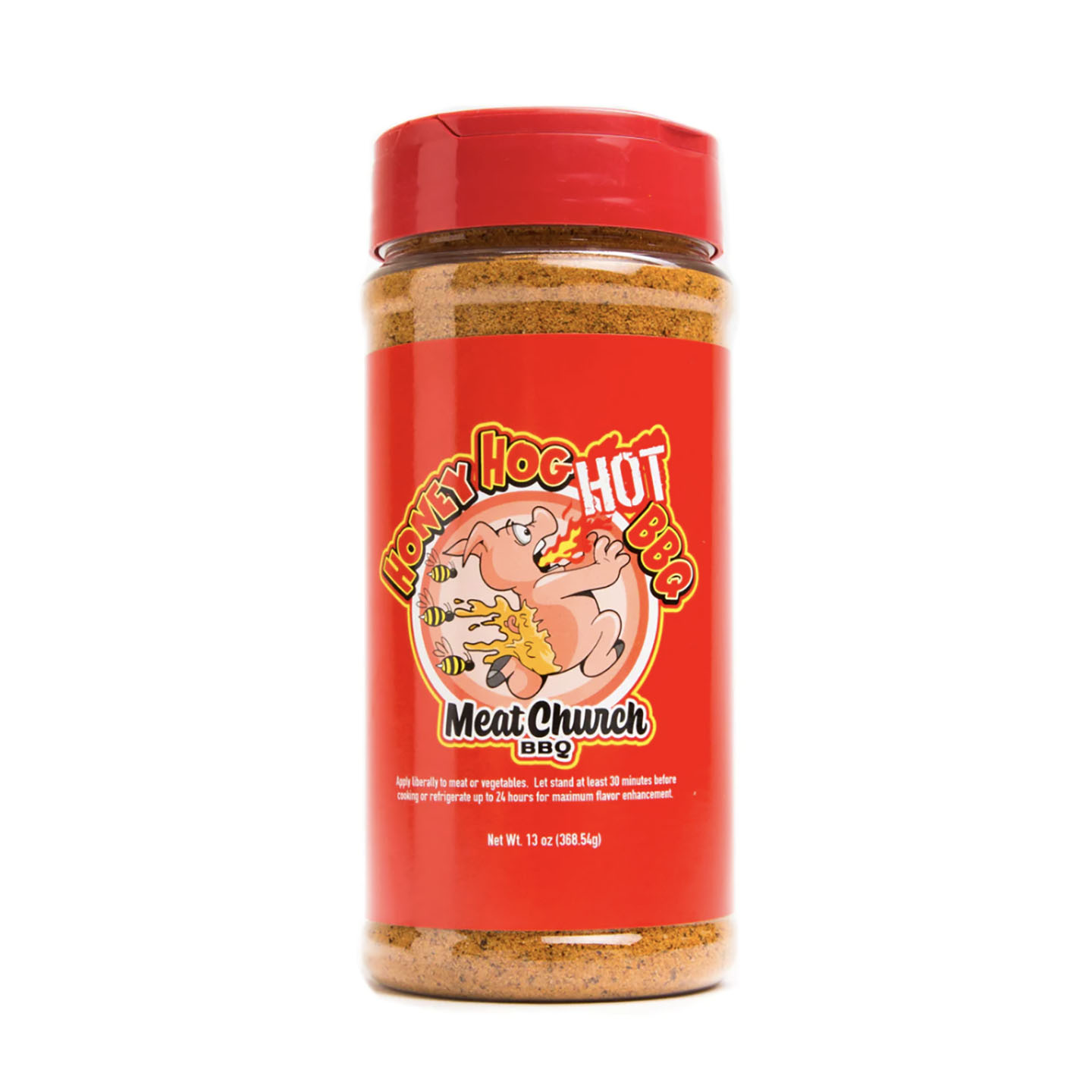
Honey Hog sits at the sweet end of the lineup. Sugar, honey powder, paprika — it pulls color and builds a caramelized crust on pork that photographs well and tastes better. Ribs, pulled pork, pork chops. Some people layer it with Holy Cow on brisket when they want a sweeter bark. It's the rub that wins over people who claim they don't like sweet rubs.
-> Meat Church Honey Hog BBQ Rub on Amazon
Holy Voodoo is the Cajun-influenced wildcard. Salt-forward with a jalapeño kick, which surprised even Pittman when it became one of the brand's most popular rubs. Chicken, turkey, shrimp. It also does interesting things to ribs if you want heat without going full novelty.
-> Meat Church Holy Voodoo BBQ Rub on Amazon
The Gospel is the all-purpose entry point, and the one Pittman's team recommends to first-timers. Balanced enough to go on almost anything, which makes it both useful and a little hard to define. If you're buying your first Meat Church rub and want to understand the brand before committing to the full lineup, start here.
-> Meat Church The Gospel All Purpose BBQ Rub on Amazon
Holy Gospel is what happens when Holy Cow and The Gospel collide — not a 50/50 split, but a deliberate formula that went through dozens of test cooks. Pittman built it after watching customers literally mix the two together at home. It works on ribs, chicken, and beef, making it one of the most versatile bottles in the lineup.
-> Meat Church Holy Gospel Combo Pack on Amazon
Deez Nuts Honey Pecan deserves a mention because the name is a bit, but the rub is serious. Nutty, sweet, excellent on ham and pork ribs. The kind of thing that shows up once at a cookout and gets asked about every time after.
-> Meat Church Deez Nuts Honey Pecan Rub on Amazon
If you want to start with the full experience without buying bottles individually, the Fab 5 Gift Box is probably the most practical starting point — covers pork, covers beef, covers the crossover territory.
What Separates These from the Grocery Store Rack
The short answer is ingredient quality and coarseness. Meat Church rubs are coarsely ground — you can see what's in them. The colors are vibrant, not dusty. The salt is doing something specific, not just filling out the bottle weight. That coarse grind matters on bark development. Finer rubs tend to bake into the meat surface; coarser ones stay present through a long smoke and build layers.
There's also the YouTube content side of the brand, which has become as much a part of the Meat Church identity as the rubs themselves. Pittman has built one of the largest social media followings in outdoor cooking by doing the thing that most brands avoid — showing the failures alongside the successes and treating his audience like people who can handle real information. That's the BBQ school model applied to content, and it works.
The Community Angle, Which Is the Part We Actually Care About
Pints, Forks & Friends exists because food and drink are better when shared, which is more or less the same reason Meat Church exists. Pittman talks about the brand as a community builder, not a spice company. The congregation gathers at the pit, beers are opened, someone takes too long explaining why their rub choice is correct, and that's the point.
If you're firing up a smoker this weekend for friends, Meat Church rubs are a legitimate recommendation from people who have cooked with them. Not a sponsored soft sell — just a brand that holds up when you open the bottle.
Find the full lineup in the PFF Amazon Shop, where we stock the products that actually get used in real cooks.
Frequently Asked Questions About Meat Church BBQ Rubs
What is Meat Church and who started it? Meat Church is a BBQ seasoning and lifestyle brand founded by Matt Pittman in Waxahachie, Texas. Pittman launched the company in 2014 after appearing on the TV show BBQ Pitmasters, packaging his first rub — Holy Cow — while preparing for the competition. The brand has grown from a two-product home operation into one of the most recognized names in outdoor cooking.
What is Meat Church Holy Cow used for? Holy Cow is a Texas-style beef rub built around coarse salt and black pepper with additional savory notes. It works best on brisket, beef ribs, steaks, and burgers. It's the brand's signature rub and one of its original two products.
What is the difference between Holy Cow and Holy Gospel? Holy Cow is specifically formulated for beef with a heavier pepper profile. Holy Gospel is a blend of Holy Cow and The Gospel All Purpose rub, developed after customers started mixing the two. Holy Gospel is more versatile — it works on beef, ribs, and chicken — and has a more balanced flavor profile than straight Holy Cow.
Which Meat Church rub should a beginner buy first? The Gospel All Purpose BBQ Rub is the easiest entry point — it works on almost any protein and gives you a good baseline for understanding the brand's flavor philosophy. From there, Honey Hog for pork and Holy Cow for beef are the natural next additions.
Are Meat Church rubs gluten free? Yes. The full Meat Church lineup is gluten free. Most of the rubs are also MSG-free, though Holy Voodoo and BLANCO contain MSG.
Where can I buy Meat Church rubs? Meat Church products are available through the brand's retail store in Waxahachie, Texas, at their website, and on Amazon. You can find them through the PFF Amazon Shop using our affiliate link, which supports Pints, Forks & Friends at no additional cost to you.
Does Meat Church sell more than rubs? Yes. The brand also offers BBQ injections and brines, apparel, cooking accessories, and live BBQ classes hosted at Pittman's outdoor kitchen. The YouTube channel covers technique as much as product, which is part of why the brand has built a loyal following beyond the spice shelf.
Come Find Your People
If you're the kind of person who takes the rub conversation seriously, you already belong at the Pints, Forks & Friends table. We're a community built around craft beer, real food, and the people who care about both. Every week we pull back the curtain on what's happening in your local food and drink world — breweries, restaurants, recipes, gear that actually works.
The Pub Ring Newsletter is where it all comes together. No filler, no product spam. Just the good stuff, delivered straight to your inbox.
Join the Pub Ring Newsletter here.
The pit's already warm. Come pull up a chair.
STOP SCROLLING FOR WHERE TO GO. WE'LL TELL YOU.
The Pub Ring gets you into the bars and kitchens actually worth your time, plus a stamp card that turns showing up into something you get rewarded for. Join Free.

The Latest...
What Is Cleveland Style BBQ? Michael Symon’s Mabel’s BBQ, From a Regular
Cleveland style BBQ is a regional barbecue style created...
Great Lakes Christmas Ale 2026: The First Pour, a Guardians Win, and One Long Day on Market Avenue
Cleveland keeps its own calendar. The leaves are still...
Ohio Brought Lager to an IPA Fight: The 2026 GABF Winners
The Great American Beer Festival moved outdoors this year,...