
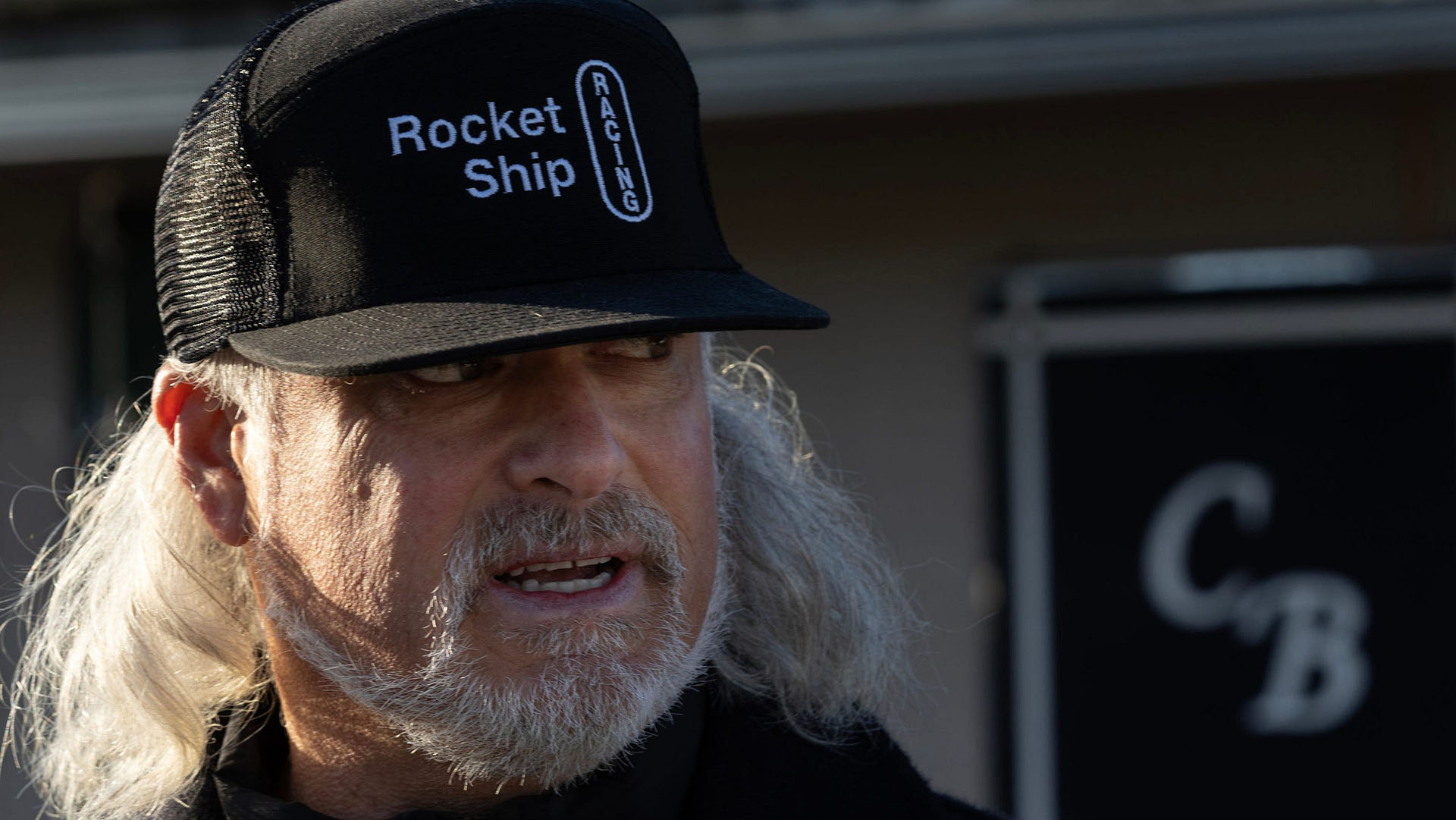
There is a version of Louisville that most visitors never find — the one that exists past the gleaming facade of Churchill Downs, past the bourbon tourism circuit and the carefully curated Derby week itineraries. It lives in neighborhoods like Butchertown, where old meat-packing history clings to the brick walls and the people who drink there still have calluses on their hands.
That is where I sat down with Brook T. Smith in 2022, at a corner table inside The Butcher Rose, glasses of bourbon in front of us, neither of us in any hurry. He is not the kind of man who delivers a polished elevator pitch. He talks the way people do when they actually believe what they are saying — circling back, correcting himself, making sure you understand the part that matters most. And what mattered most to Brook had very little to do with winning.
He wanted to talk about the backside.
Not the clubhouse. Not the infield crowds in their flower-covered hats. The backside — the working side of the track, where the grooms and hot walkers and exercise riders start their days before most of the city has poured its first cup of coffee. The people who make horse racing possible and rarely get mentioned in any glossy recap of the Run for the Roses.
That conversation has stayed with me. Not because Brook T. Smith is a dramatic figure, but because he is a useful one — a man who got lucky, knew it, and decided to do something about it.
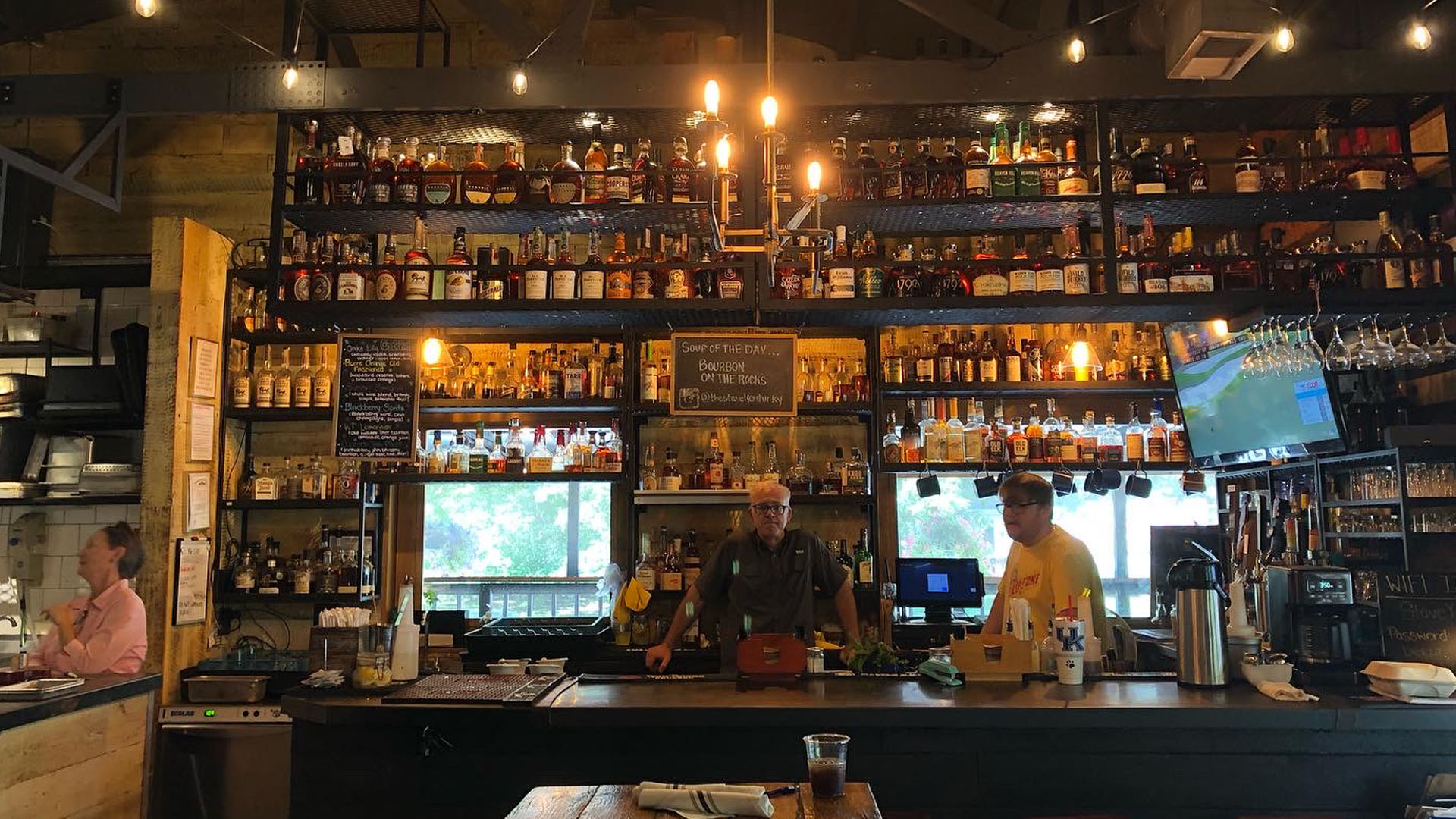
Field Notes: The Bourbon Trail
There is a reason people make pilgrimages to Kentucky for something that comes in a bottle. It has nothing to do with the bottle. We went to find out why.
A 30-to-1 Shot and a Life That Changed Directions
Brook T. Smith’s entry into horse racing was not the product of old money or family tradition. He grew up in Westport, out in Oldham County, in the kind of household where cable television was a luxury and summer evenings meant catching crawfish and eating Chef Boyardee pizza. It was a childhood that taught him the particular value of a good day — the kind you do not take for granted because you know what an ordinary day actually looks like.
His first Derby Day experience came in 1995, a casual outing with a former roommate that was never supposed to be anything more than an afternoon out. Then he found himself trackside for the Humana Distaff Stakes, watching a 30-to-1 long shot named Laura’s Pistolette run down the field and win by a nose.
That was it. That was the moment.
There is something that happens when you watch a horse nobody believed in find a way to win. Smith felt it that afternoon and never quite shook it. Within a few years he was not just watching races — he was studying the ownership side of the sport, learning how the business worked, figuring out where a person like him might actually fit in.
Rocket Ship Racing and the Road to the 150th Kentucky Derby
By the time I met Smith at The Butcher Rose, he had built Rocket Ship Racing into a genuine operation. His most prominent holding was a 16 percent ownership stake in Sierra Leone, a colt trained by Chad Brown and one of the top contenders heading into the 150th Kentucky Derby.
Rocket Ship Racing operates the way a lot of serious small-market ownership groups do — through smart partnerships and selective acquisitions. The stable has collaborated with respected groups including Brilliant Racing, LLC and Sea Warrior Stables, and Smith serves as the group’s agent out of Louisville. The company rebranded from RSLP Racing LLC in 2021.
Sierra Leone represented something beyond a business investment for Smith. The colt was the first Derby horse enrolled in a program that Smith had been building since 2020 — a program that had nothing to do with trophies.

Start Your Audible Free Trial Today!
Purses for a Purpose: Where the Real Race Happens
The Backside Learning Center at Churchill Downs does work that does not make the highlight reels. It provides education and essential services to the track workers and their families who keep Churchill Downs running — people whose labor is fundamental to the sport and whose needs have historically been chronically underfunded.
Smith’s Purses for a Purpose initiative, which he launched in 2020, is straightforward in concept and quietly radical in practice. The program asks horse owners to donate a percentage of their winnings to the Learning Center. The standard ask is one percent. Smith contributes ten.
That gap between what is asked and what he gives is worth sitting with for a moment. It is not a rounding error. It is a statement about what he thinks his luck is actually worth.
The increased funding has expanded the center’s programming meaningfully, and there are early conversations about the construction of new facilities. For the 150th Derby, Smith pledged an additional one hundred thousand dollars at an annual seminar — and if Sierra Leone had won, the center would have received nearly fifty thousand dollars more from his earnings alone.
Smith has also challenged 150 owners to join the program, broadening both the financial base and the visibility of an institution that most casual racing fans have never heard of.
“I just think about where I came from,” he told me, somewhere around the second glass of bourbon. “I didn’t have a lot growing up. These people working the backside — they’re working harder than almost anyone at that track, and most people watching the race don’t even know they exist.”
Stories Worth Following
If this kind of story is what brings you to Pints, Forks & Friends — the people behind the sport, the business, the glass, and the plate — the Pub Ring Newsletter is where we keep more of it…
JOIN THE PUB RING
The Pub Ring Newsletter is where our stories thrive. No algorithm deciding what you see. No noise. Just the people and places worth knowing about, delivered free to your inbox. Subscribe Today!


The Latest…
Christmas Ale Bacon Recipe
The Ultimate Christmas Ale Bacon Recipe: Joy in Every...
Discovering Meat Church Recipes: BBQ, Beer & Texas Flavors!
Exploring Meat Church recipes is like embarking on a...
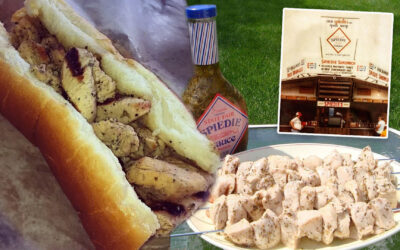
Salamida’s Classic State Fair Spiedie Recipe
Spiedie? What's That? The iconic Spiedie is a delicious...