
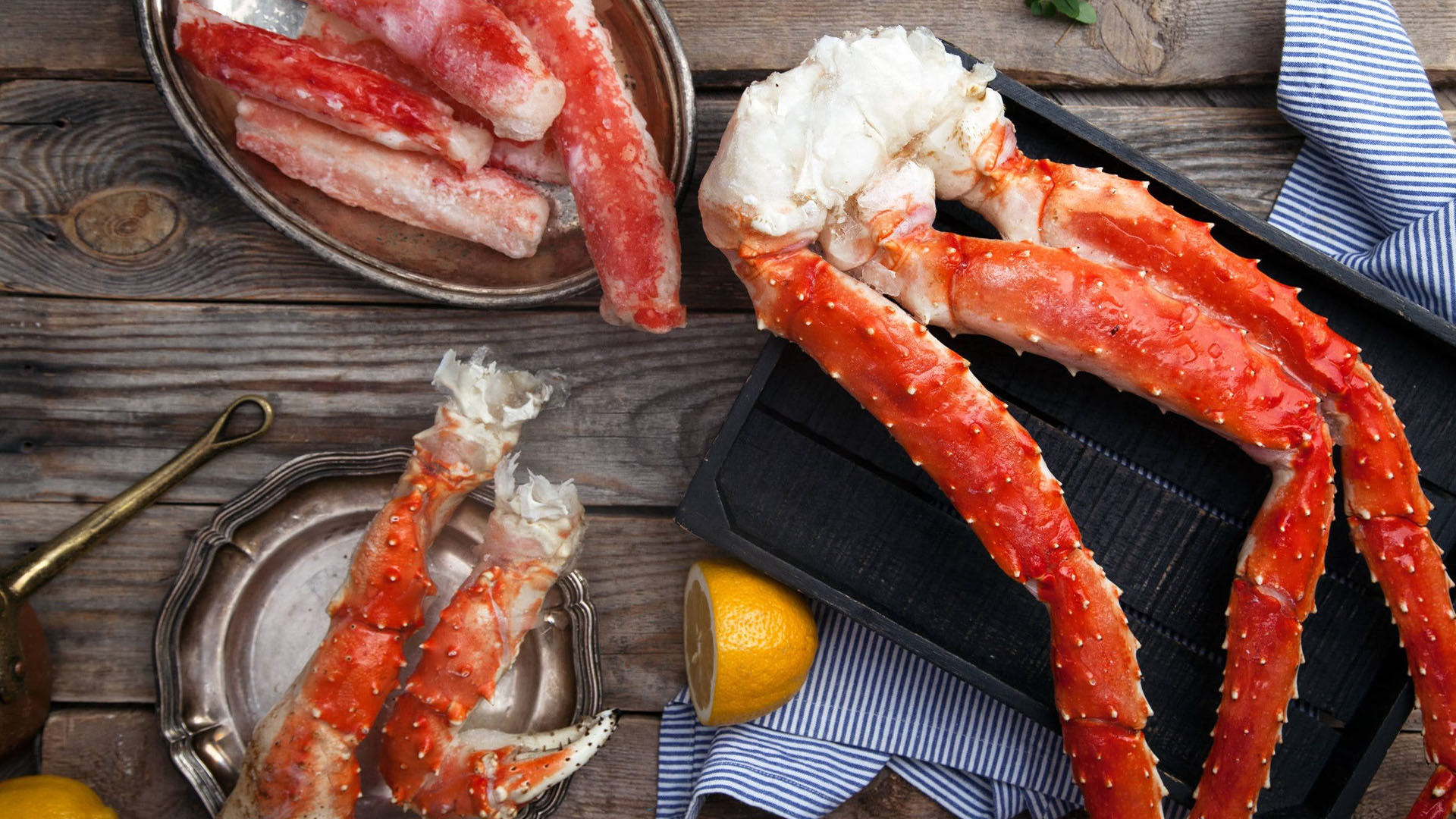
You are standing at the seafood counter. There are two pounds of snow crab legs in the case, they're on sale, and the guy behind the glass is waiting. You buy them. You get home. You put them on the counter and stare at them like they owe you an explanation.
This is where most people either figure it out or default to the microwave. We are here to make sure you figure it out.
Crab legs are one of those foods that look more intimidating than they are. The shells are hard, the claws seem theatrical, and the whole thing feels like it demands culinary credentials you don't have. It doesn't. Every cooking method covered here takes under fifteen minutes of active time and produces something genuinely worth sitting down for. The challenge isn't the cooking — it's just knowing which road to take.
Below is a practical guide to four methods: steaming, Instant Pot, grilling, and oven baking. We'll cover what to buy, how to thaw properly, and how to cook each type without turning fifty dollars of Alaskan crab into rubber.
What You're Actually Buying at the Counter
Before anything goes near heat, a word on the product.
Most crab legs sold in American grocery stores and online are already cooked and flash-frozen at sea. The boat that hauled them also cooked them. What you are doing at home is not cooking — it is reheating. This is an important distinction because it means overcooking is your primary enemy. You are chasing warm and tender, not raw-to-cooked.
King crab legs are the showboat of the category. Large, meaty, and sweet, they command a premium price and deliver. The shells are thick and spiky, requiring a cracker or shears. If you're feeding people who like a spectacle, king crab is the move.
Snow crab legs are the weeknight option. Smaller clusters, thinner shells you can crack with your hands, and a sweet delicate flavor that goes well with drawn butter or a garlic lemon sauce. They stack easily in a pot and cook fast. Most people reach for snow crab because it's widely available and almost always more affordable.
Dungeness crab is the West Coast answer — nutty, slightly sweet, with dense meat and good claws. Less common in Midwestern and East Coast grocery stores but worth seeking out if you see it.
Buying tips: Look for legs that feel heavy for their size. Avoid packages with visible ice crystals forming inside, which indicates freeze-thaw cycling that degrades texture. If the shells look dull or have a faint ammonia smell, pass. Quality crab doesn't need to announce itself.
Thawing: The Step Most People Rush
If you bought frozen — which you almost certainly did — thaw them in the refrigerator overnight. Place the package in a bowl or on a rimmed sheet to catch any drip. This slow process keeps the texture intact and prevents the outer meat from warming while the center stays ice-cold.
Short on time? Cold water works. Submerge the sealed bag in a bowl of cold water and change the water every thirty minutes. Most legs are ready in an hour or two.
What you should not do: leave them on the counter to thaw at room temperature, or run them under hot water. Both create uneven temperature zones and begin to cook the exterior before anything gets near a burner.
One more note — **you can cook crab legs from frozen** in most of these methods. Just add two to three minutes to the cook time. It works. The results are slightly less precise but perfectly acceptable for a weeknight.
Method 1: Steaming (The Standard, The Reliable)
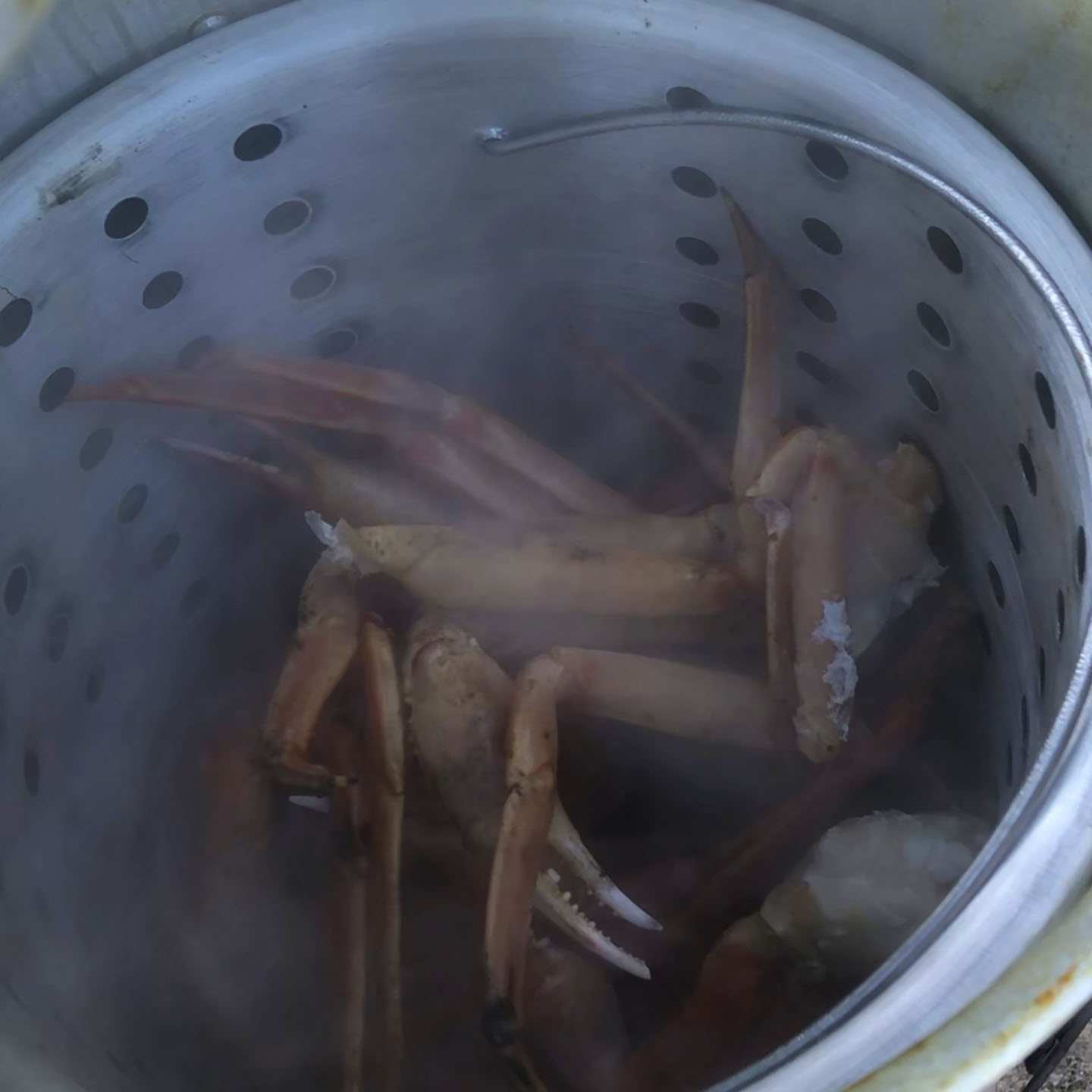
Steaming is the go-to for a reason. It is fast, it preserves the natural sweetness of the crab, and it requires nothing you don't already own.
What you need:
A large pot with a lid, a steamer basket or a metal colander that fits inside, water, and optionally a few aromatics.
How to do it:
Fill the pot with about two inches of water — enough to generate steam but not enough to touch the basket. If you want to add something to the water, Old Bay, a halved lemon, and a few garlic cloves will perfume the steam and carry lightly into the meat. Bring the water to a rolling boil over high heat.
Arrange the crab legs in the steamer basket. They can overlap but don't pack them tightly — you want steam to circulate. Cover the pot and reduce to a medium-high simmer. Steam for five to seven minutes for thawed legs. They are done when the shells are bright orange-red throughout and the meat is opaque and pulling slightly from the shell at the cut ends.
Serve immediately with melted butter, a wedge of lemon, and whatever else you want on the table.
Why it works:
Steam is gentler than a full boil, which means the delicate texture survives the process better. The crab isn't sitting in water, so it doesn't leach flavor into the liquid. What you get out is very close to what went in.
Method 2: Instant Pot (Fastest Path to the Table)
If you own an Instant Pot and you are cooking for a group, this method earns its keep. It is faster than steaming and hands-off once the lid goes on.
What you need:
An Instant Pot or electric pressure cooker, the trivet that came with it, and one cup of water.
How to do it:
Pour one cup of water into the bottom of the pot. Add a few lemon wedges or a bay leaf if you like. Place the trivet in and stack the crab legs on top, cutting them into sections with kitchen shears if needed to fit. Secure the lid and set the valve to "Sealing."
Set the Instant Pot to Manual (or "Pressure Cook") on High for three minutes for thawed legs, five minutes for frozen. When the timer ends, do an immediate quick release by carefully switching the valve to "Venting."
Open the lid and serve.
The caveat:
Because you're working with pressure, there's slightly less room for error than with steaming. Three minutes is right for most thawed snow crab. King crab may want an extra minute due to the mass of the meat. If you pull a leg and the meat looks translucent rather than white and opaque, close the lid and run another minute.
This method is particularly useful when you're juggling sides. You can have the crab done and resting on a platter while you finish the corn and garlic bread.
Method 3: Grilling (For When You Want Something Different)
Grilling crab legs is underused and underappreciated. The dry heat of the grill adds a slight char to the shell and a faint smokiness to the meat that you simply cannot replicate indoors. It is a different experience from steaming, and a very good one.
What you need:
A gas or charcoal grill, kitchen shears or a sharp knife, aluminum foil, and a compound butter or basting sauce.
How to do it:
Preheat the grill to medium-high, around 350 to 400 degrees. While it heats, split the crab legs lengthwise with kitchen shears — cut along one side of the shell so the meat is partially exposed. This allows the butter to penetrate and gives you visible doneness cues.
Make a quick compound butter: four tablespoons of softened butter, two cloves of minced garlic, a squeeze of lemon, a pinch of salt, and fresh parsley if you have it. Brush it generously over the exposed meat.
Place the legs cut-side up directly on the grill grates. Close the lid and cook for five to seven minutes. The shells will deepen in color and the butter will sizzle. You are looking for the meat to pull away slightly from the shell and develop a light golden edge.
Alternatively, wrap the legs in foil with the butter and aromatics, seal tightly, and cook six to eight minutes per side. This method steams inside the foil while the exterior picks up grill heat — less char, more concentrated flavor.
Serve directly from the grill with extra butter, crusty bread, and cold beer. The outdoor setting is not optional for full effect.
Method 4: Oven Baking (Low Effort, High Return)
Baking is the method for when you want dinner ready with minimal supervision. It lacks the speed of the Instant Pot and the spectacle of the grill, but it produces consistent, flavorful results with almost no active effort.
What you need:
A rimmed baking sheet, aluminum foil, and butter.
How to do it:
Preheat your oven to 375 degrees Fahrenheit. Line a large rimmed baking sheet with foil — the juice will flow and you want easy cleanup.
Arrange thawed crab legs in a single layer on the sheet. Dot with butter or brush with melted garlic butter. Cover tightly with a second layer of foil, crimping the edges to trap steam inside. This creates a mini-oven effect within the pan.
Bake for fifteen to eighteen minutes for thawed legs, twenty to twenty-two for frozen. Remove the top foil for the last three minutes if you want a little color on the shells.
Pull a leg and check: the meat should be opaque, pulling from the shell at the open ends, and hot throughout. If it's still cool at the center, recover and return for another five minutes.
This is the method to use when you are feeding a crowd and need to batch-cook. A full sheet pan holds a substantial amount of legs, and you can run two pans simultaneously if your oven allows it.
Order Online: Cameron's Seafood
If your local grocery store's seafood case is a disappointment — and in a lot of inland zip codes, it is — Cameron's Seafood on Amazon ships direct, overnight, packed on dry ice. They carry Alaskan king crab, snow crab clusters, and Dungeness, all sourced and handled properly.
The convenience matters most when you want quality you can count on without driving to a specialty fish market. For a dinner party, a summer cookout, or any occasion where the crab is the centerpiece, ordering direct removes the guesswork on sourcing.
Order Cameron's Seafood on Amazon
Affiliate Disclosure: This post contains affiliate links. Pints, Forks & Friends may earn a commission on purchases made through these links at no extra cost to you. We only recommend products we actually use and believe in. See our Privacy Policy for details.
What to Serve With Crab Legs
The accompaniments are almost as important as the method. Crab is rich and sweet — the sides should complement without competing.
Drawn butter
is non-negotiable. Melt unsalted butter slowly and let the milk solids settle at the bottom, then spoon the clarified liquid off the top. It is purer and handles the natural sweetness of the crab without interference.
Corn on the cob
is a natural pairing. The sweetness echoes the crab without fighting it.
Crusty bread
handles the butter and any accumulated juices on the plate.
A cold lager or a dry white wine.
Nothing with too much body. You want something that cleans the palate between bites, not something that sits on top of it. A light Czech pilsner or a crisp Sauvignon Blanc both work well.
Frequently Asked Questions
What is the best way to cook crab legs at home?
Steaming is the most reliable all-purpose method. It takes about five to seven minutes, preserves the natural sweetness of the meat, and requires no specialized equipment beyond a large pot and a steamer insert. If you have an Instant Pot, that's a close second — three minutes under pressure and you're done.
What's the easiest way to cook frozen crab legs?
The oven is your easiest path from frozen to table. Arrange the legs on a foil-lined sheet, dot with butter, cover tightly with a second layer of foil, and bake at 375 degrees for twenty to twenty-two minutes. No boiling water, no monitoring — just set a timer.
Is it better to boil or steam crab legs?
Steaming edges out boiling for most people. When you boil crab legs, they sit in water and can leach flavor into the liquid. Steaming keeps the crab above the water, meaning the flavor stays in the meat. The difference is subtle but noticeable if you're eating them side by side.
Can you cook crab legs from frozen?
Yes. Add two to three minutes to any method described above. The texture will be very close to thawed. The one exception is grilling — split-and-grill works best with thawed legs so the meat doesn't ice-steam inside the shell rather than taking on grill heat.
How do you know when crab legs are done?
Since most crab legs are pre-cooked and flash-frozen, "done" means fully reheated. The visual cues are: shells that have shifted from pale pink to a bright orange-red, meat that looks white and opaque rather than translucent, and flesh that pulls slightly away from the shell at the cut ends. If you crack one open and the meat feels cold at the center, it needs more time.
How much crab should I serve per person?
For a main course, plan on one to one and a half pounds of crab legs per person. Snow crab legs have a lower meat-to-shell ratio than king crab, so lean toward the higher end for those. If crab is one of several proteins on the table, three-quarters of a pound per person is usually sufficient.
What's the difference between king crab and snow crab?
King crab legs are larger, meatier, and significantly more expensive. The flavor is rich and sweet with a firm, dense texture. Snow crab legs are smaller with thinner shells that crack easily by hand. The flavor is lighter and sweeter, the texture slightly more delicate. Both are excellent — king crab is a splurge, snow crab is a weeknight decision.
STOP SCROLLING FOR WHERE TO GO. WE'LL TELL YOU.
The Pub Ring gets you into the bars and kitchens actually worth your time, plus a stamp card that turns showing up into something you get rewarded for. Join Free.

The Latest...
What Is Cleveland Style BBQ? Michael Symon’s Mabel’s BBQ, From a Regular
Cleveland style BBQ is a regional barbecue style created...

Great Lakes Christmas Ale 2026: The First Pour, a Guardians Win, and One Long Day on Market Avenue
Cleveland keeps its own calendar. The leaves are still...

Ohio Brought Lager to an IPA Fight: The 2026 GABF Winners
The Great American Beer Festival moved outdoors this year,...