The Story of Westmalle Brewery: A Trappist Dubbel Turning 100
Somewhere behind abbey walls in a small Belgian town called Westmalle, twenty-two monks and about forty secular brewery staff are quietly clocking in on a beer recipe that just hit its hundredth birthday. Nobody's throwing a parade. That's kind of the whole point.
Westmalle Dubbel, the dark, reddish-brown beer that most craft beer drinkers think of first when someone says "Trappist," was refined into its current recipe in 1926. A century later, it's still brewed inside the same abbey, still overseen by the same order of monks, and still one of the few beers on earth that can legally call itself Trappist without an asterisk.
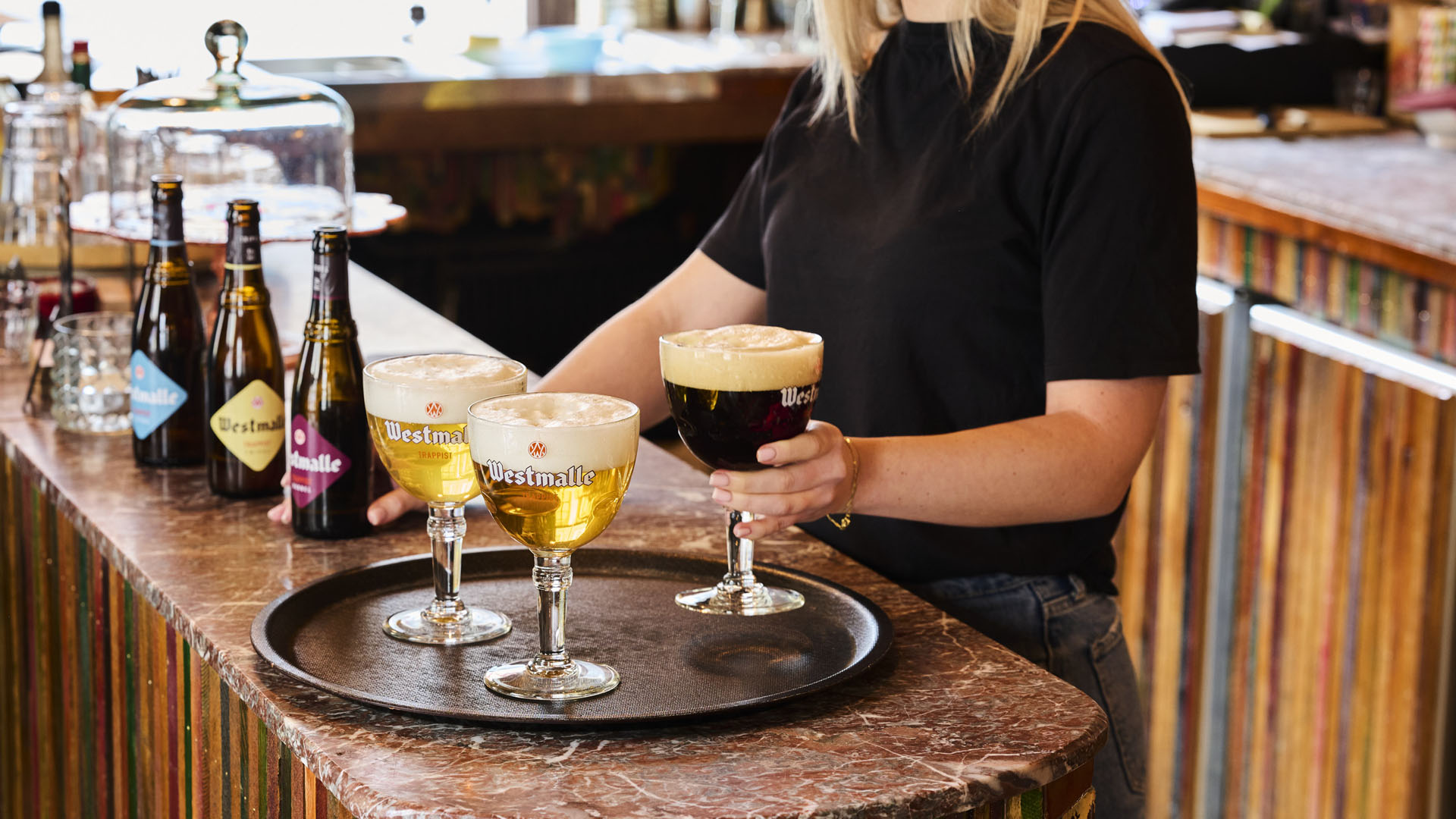
Featured: Westmalle Trappist Belgium Beer Glass
We covered Westmalle back in 2015, when this site was still finding its legs. A decade later, there's a lot more to say, and most of it the monks themselves have only recently put online. If breweries and the people behind them are your thing, this one belongs right alongside the rest of our Pints coverage.
What Actually Makes a Beer "Trappist"
Here's where people get it twisted: Trappist isn't a beer style. It's not even really a marketing term, though plenty of breweries would love you to think otherwise. It's a protected designation, policed by the International Trappist Association, and a brewery only earns it by clearing three specific bars.
The beer has to be brewed inside the walls of a working Trappist abbey. The monks themselves have to supervise production and business decisions, not just lend their name to it. And the money the brewery makes has to go back into the monastic community, the brewery itself, the wider Trappist order, and charitable work, not into anyone's pocket.
Westmalle checks every one of those boxes and has since 1836, when the abbey was elevated to Trappist status and Father Bonaventura Hermans and Brother Albericus Kemps got the brewery running. The monks tasted their first batch on December 10, 1836. It was dark, sweet, and low in alcohol. Not exactly the Tripel we know today, but it's the reason the Tripel exists at all. You can read the brewery's own account of that history on the Trappist Westmalle site.
Take the Westmalle Tour: Go Inside today
Nearly 200 Years, Three Beers
Westmalle didn't rush into commercial brewing. For twenty years they brewed strictly for themselves. Occasional sales at the abbey gate started in 1856, and by 1861 there's a documented sale on the books. Demand kept climbing, the brewery expanded in 1865 using Chimay's setup as a model, and by 1921 the monks were selling through traders instead of just at the front gate.
The beer lineup as we know it took shape between 1926 and 1934. First came Dubbel, born when the monks doubled the ingredients in their original brown ale. Then, when the abbey built a new brewing hall in 1933, they marked the occasion by tripling the recipe. Westmalle Tripel was born in 1934, and it's widely credited as the first beer to actually use the word "Tripel" the way we use it now. The recipe hasn't meaningfully changed since 1956.
Today the brewery makes three beers, and only two of them are sold to the public:
Westmalle Extra – 5% ABV, blue label, and technically not for sale most of the year. This is the monks' own table beer, the one they drink during the work day. Low key, low alcohol, entirely unpretentious. It's the beer equivalent of a monk shrugging.
Westmalle Dubbel – 7% ABV, purple label, bottle-conditioned. Rich, reddish-brown, with a fruity backbone and a finish that's drier and more bitter than most dubbels you'll run into. It's the beer turning 100 this year.
Westmalle Tripel – 9.5% ABV, golden, and sneaky strong. Brewed with pale pilsner malt, Belgian candi sugar, and a hop bill that leans on Styrian Goldings and classic Saaz. Some people call it the mother of all Tripels. They're not wrong.
Brewing at the Pace of the Abbey, Not the Market
The most interesting thing about Westmalle isn't the beer. It's the operation behind it.
The brew room doesn't start the day until the monks have finished morning prayer together in the church. Every batch still runs on five raw ingredients: selected barley malt, a blend of European hop varieties, water pulled from 60 meters down in the Diestian aquifer beneath the abbey, sugar, and a house yeast strain that's been cultivated on-site for generations. No stabilizers. No pasteurization. Because the yeast is alive, no two batches are identical, which any serious beer drinker will tell you is a feature, not a flaw.
The process itself takes weeks. Wort boils for 75 minutes while hops go in at three separate points. The spent grain gets recycled as feed for the abbey's own dairy cows. After primary fermentation and a cold lagering period, the beer gets bottled with a fresh dose of sugar and yeast for bottle conditioning, then sits in an underground cellar held steady between 21 and 23 degrees Celsius for two to three more weeks before it's allowed to leave the property.
And here's the detail that says the most about how this place actually runs: the bottling line can fill 45,000 bottles an hour, which is fast enough that the crew hits their production targets in a single day shift. No overnight runs. No weekend overtime. The brewery calls it their sustainable personnel policy. Most breweries would call it good luck.
The New One: Westmalle Duo
If you last read about Westmalle here in 2015, this part is new. Since March 2025, the brewery has been quietly pouring something called Westmalle Duo, a draft-only blend of 60% Tripel and 40% Extra that lands at 7.2% ABV. It's fruity, balanced, and built specifically for the tap, not the bottle, and right now it's only showing up in a small, hand-picked list of cafés.
It's a limited release, at least for now, brewed in batches of around 5,000 barrels. Whether it becomes a permanent fourth beer or stays a rotating novelty is genuinely up in the air. Either way, it's proof that a brewery that's been doing three things well for a century isn't afraid to try a fourth.
Beyond the Bottle: Cheese, a Café, and an Open Gate
Westmalle isn't only a brewery. The abbey also runs a dairy and cheese operation, aging their own Trappist cheese in two-, six-, and twelve-month varieties, made with milk from cows that have been part of abbey life since the community was founded in 1794. Milk to cheese, wort to bottle. Same philosophy either way.
If you're ever actually in Belgium, Café Trappisten sits right next to the abbey and pours all three beers alongside abbey-style food. The brewery also opens its doors to the public for walk-through tours a couple of days a year, typically in late September, where you can trace the beer's whole path from raw ingredients to bottle. Check the brewery's own site before you plan a trip, since dates shift year to year. If a trip like that is on your radar, it's exactly the kind of thing we chase for Field Notes.
For the full background on the brewery, the abbey's history, and where Westmalle fits among the other recognized Trappist producers, Wikipedia's Westmalle Brewery entry is a solid starting point.
FAQ: Westmalle and Trappist Beer, Straight Answers
What is a Trappist beer?
A Trappist beer is one brewed inside the walls of a working Trappist abbey, under the supervision of the monks themselves, with the profits going toward the monastery, the brewery, the wider Trappist order, and charity. It's a legally protected designation, not a style or a marketing label, and only a handful of breweries in the world qualify.
What's the difference between Westmalle Dubbel and Westmalle Tripel?
Dubbel is darker, lower in alcohol at 7% ABV, and built around a richer, fruitier, drier profile. Tripel is golden, stronger at 9.5% ABV, and lighter on the palate despite the higher alcohol. Both are bottle-conditioned, but they're brewed for entirely different moods.
How much alcohol is in Westmalle beer?
Westmalle Extra sits at 5% ABV, Dubbel at 7%, and Tripel at 9.5%. The newer Westmalle Duo, a Tripel-Extra blend served on draft, comes in at 7.2%.
Can you visit Westmalle Brewery?
Yes, though access is limited. The abbey opens the brewery for public walk-through tours on select days, usually in late September, and Café Trappisten next door is open year-round for anyone who wants to drink Westmalle beer where it's actually made.
Why don't the monks sell all three beers to the public?
Westmalle Extra is brewed specifically for the monks to drink during the work day. It's low in alcohol by design and was never intended as a commercial product, which is part of why it's so hard to find outside the abbey.
Where can you buy Westmalle beer in the US?
Westmalle Dubbel and Tripel both make it to the US through specialty importers and are usually stocked at bottle shops that carry a serious Belgian selection. Availability varies by region, so a shop with a strong Trappist or Belgian ale section is your best bet.
Last Call
A hundred years on the same recipe is the kind of milestone that doesn't need a marketing push, and Westmalle clearly agrees, since they're not exactly shouting about it. But it's worth raising a glass to a brewery that's been doing three things well since before most breweries in this country existed, and is only now, quietly, trying a fourth.
If you want more of this, the deep-dive kind of coverage on breweries, chefs, and the people actually doing the work, that's what the Pub Ring Newsletter is for. Sign up and you'll also get the first word on Pub Ring stamp card events at breweries and restaurants near you, with a shot at a regional gift basket every campaign. Join here.
And if you're building out a home bar worth taking seriously, our Amazon shop has the tulip glassware and fridge setups we actually use.
This website may contain affiliate links, which means Pints, Forks & Friends may receive a commission for purchases made through them. We only recommend products we personally believe in and use. Learn more on our Privacy Policy page.
-Mike
STOP SCROLLING FOR WHERE TO GO. WE'LL TELL YOU.
The Pub Ring gets you into the bars and kitchens actually worth your time, plus a stamp card that turns showing up into something you get rewarded for. Join Free.

The Latest...
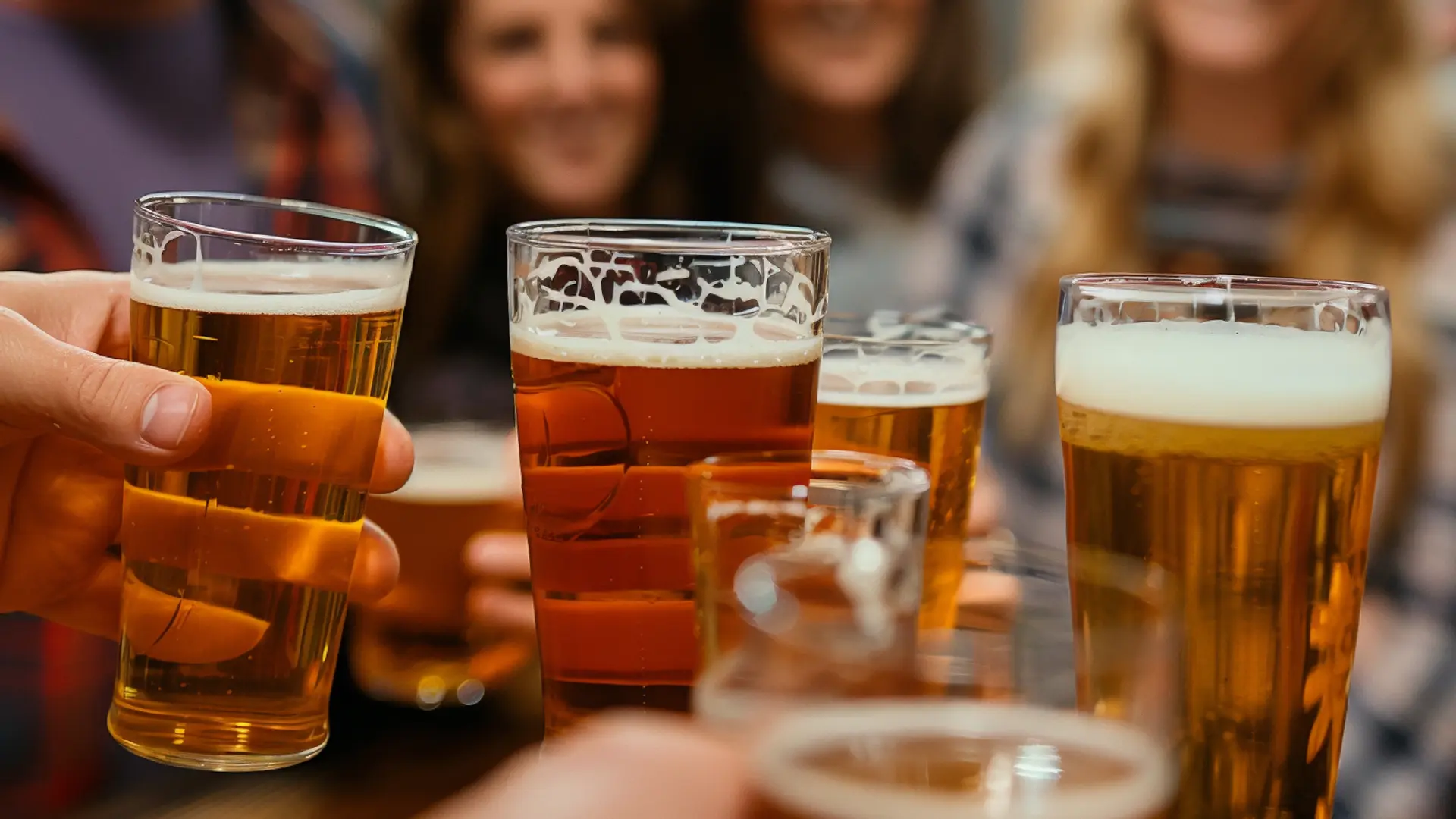
Craft Beer Tasting at Home: 8 Steps to Host It Right
To host a craft beer tasting, invite six to eight people,...
Ohio Brewery Events This October: Cider in Geneva, Rye in Dayton and Fresh Hops in Chagrin Falls
October in Ohio does something to a beer drinker. The air...
Meet Hops: Our AI Sommelier for Beer, BBQ and Wings
Hops is the Pints, Forks & Friends AI sommelier. He lives...